When it comes to restoring facial volume and combating the hollowing that comes with age, two categories of injectable treatment dominate the conversation: hyaluronic acid fillers and Sculptra (poly-L-lactic acid). Both address volume loss, but they work in fundamentally different ways, produce results on different timelines, and have different longevity profiles. At Blue Monarch Skin Studio in San Mateo, we help clients understand these differences to choose the right approach for their goals. See also: all about facial balancing.
How Traditional Fillers Work
Hyaluronic acid fillers — including the Juvederm and Restylane families — work by physically occupying space in the tissue. When injected, they immediately add volume to the treated area. The results are visible right away, and the amount of correction is directly proportional to the amount of product placed. HA fillers attract and hold water, contributing to their volumizing effect. They are reversible with hyaluronidase and typically last 6 to 24 months depending on the product and treatment area.
How Sculptra Works
Sculptra is fundamentally different. Rather than adding volume directly, it works as a biostimulator — it triggers your own body to produce new collagen. Sculptra is made of poly-L-lactic acid (PLLA), a biocompatible synthetic material that has been used in dissolvable sutures for decades. When injected, tiny PLLA microparticles stimulate a controlled immune response in the dermis, triggering fibroblast activation and collagen synthesis. As your body builds new collagen around the treatment sites, volume and skin quality gradually improve over the following months.
Key Differences at a Glance
| Feature | HA Fillers | Sculptra |
|---|---|---|
| Mechanism | Immediate volume addition | Collagen stimulation |
| Onset | Immediate | Gradual (2-3 months) |
| Duration | 6-24 months | 2+ years |
| Reversibility | Yes (hyaluronidase) | No |
| Sessions needed | Usually 1 | Typically 2-3 |
| Best for | Targeted volume, lips, under-eyes | Diffuse facial rejuvenation, broad volumization |
Results Timeline for Sculptra
Sculptra’s gradual nature requires patience. Most clients need 2 to 3 treatment sessions spaced 4 to 6 weeks apart. Initial results are subtle — a modest improvement in skin quality and early signs of volume. The full effect builds over 2 to 3 months after the final session as collagen production peaks. Results can last 2 years or more, significantly longer than most HA fillers. The collagen produced is your own, so results have a particularly natural look and feel.
When to Choose HA Fillers
HA fillers are the better choice when:
- You need targeted, precise volume in specific areas (lips, under-eyes, nasolabial folds)
- You want immediate, visible results
- You are a first-time filler client and want a reversible option
- You are addressing a specific structural deficit rather than broad facial rejuvenation
When to Choose Sculptra
Sculptra is the better choice when:
- You want diffuse, widespread facial rejuvenation
- Your primary concern is restoring overall collagen and skin quality alongside volume
- You prefer a longer-lasting solution and are willing to wait for gradual results
- You are happy with your specific features but want the skin to look generally healthier and fuller
- You want to avoid frequent maintenance appointments
Combining Sculptra and Fillers
Many Blue Monarch clients in San Mateo choose to combine both approaches for comprehensive facial rejuvenation. Sculptra addresses the broad collagen and volume framework of the face, while targeted HA fillers address specific areas like the lips or tear troughs that require precise volumization. This combination approach delivers the best of both worlds: the long-lasting global benefit of Sculptra and the immediate precision of HA fillers.
Want to learn more about filler options? Read about cheek filler and dermal filler costs in San Mateo. Ready to discuss the right volumizer for you? Book a consultation at Blue Monarch Skin Studio in San Mateo.
Frequently Asked Questions
Does Sculptra look natural?
Sculptra produces some of the most natural-looking results in aesthetic medicine because it rebuilds your own collagen. The gradual nature of the results means there is no sudden change that signals you have had treatment. Friends and colleagues may simply notice that you look refreshed, healthier, or younger without being able to pinpoint a specific change. The collagen produced is your own tissue, so it moves and looks entirely natural. At Blue Monarch Skin Studio in San Mateo, many clients appreciate Sculptra precisely for this undetectable quality of its results.
Can Sculptra be dissolved if I change my mind?
No. Unlike hyaluronic acid fillers, Sculptra cannot be dissolved with an enzyme. The poly-L-lactic acid microparticles stimulate collagen production and gradually degrade over time, but there is no reversal agent. This is an important consideration for clients who value the option of reversibility. For clients new to facial rejuvenation, starting with HA fillers — which can be dissolved — is often recommended before transitioning to Sculptra. Your Blue Monarch provider will help you weigh the trade-off between Sculptra’s longevity and its permanence during your San Mateo consultation.
How many Sculptra sessions are needed?
Most clients benefit from a series of 2 to 3 Sculptra sessions spaced 4 to 6 weeks apart. The number depends on the degree of volume loss and collagen deficit, your age, and how quickly your body responds to the biostimulatory effect. Younger clients with mild volume loss may respond well to 2 sessions, while older clients with more significant deflation may need 3 or more. After the initial series, annual or biannual maintenance sessions help sustain results as the collagen gradually turns over. Your Blue Monarch provider will build a customized plan for your San Mateo treatment.
Is Sculptra appropriate for the lips or under-eyes?
No. Sculptra is not appropriate for the lips, under-eye tear troughs, or areas with thin, delicate skin. It is best suited for larger, fleshier areas of the face such as the cheeks, temples, jawline, and lateral face. Using Sculptra in the lips or under-eyes risks nodule formation. For these areas, HA fillers specifically formulated for delicate or high-movement zones remain the appropriate choice. At Blue Monarch in San Mateo, we follow established safety guidelines for Sculptra placement to ensure excellent outcomes and minimize complications for every client.
How long does Sculptra last compared to fillers?
Sculptra results typically last 2 years or more, significantly longer than most HA fillers, which range from 6 to 24 months depending on the product and location. The longevity advantage of Sculptra is one of its primary appeals. Because the volume comes from your own collagen rather than an injected material, it does not break down the way HA fillers do. Maintenance sessions after the initial series help sustain the collagen matrix. For clients seeking the longest-lasting non-surgical volumizing option, Sculptra represents the best currently available injectable choice.
Who is Sculptra best suited for?
Sculptra is best suited for clients in their 30s to 60s who are experiencing diffuse facial volume loss and desire comprehensive rejuvenation rather than targeted spot correction. It is particularly valuable for clients who want long-lasting results and are willing to commit to a series of treatments and a gradual results timeline. Clients who are motivated to look naturally refreshed rather than obviously treated often find Sculptra aligns perfectly with their aesthetic philosophy. At Blue Monarch Skin Studio in San Mateo, we help clients evaluate whether Sculptra or HA fillers — or a combination — best serves their unique goals.
What areas does Sculptra treat?
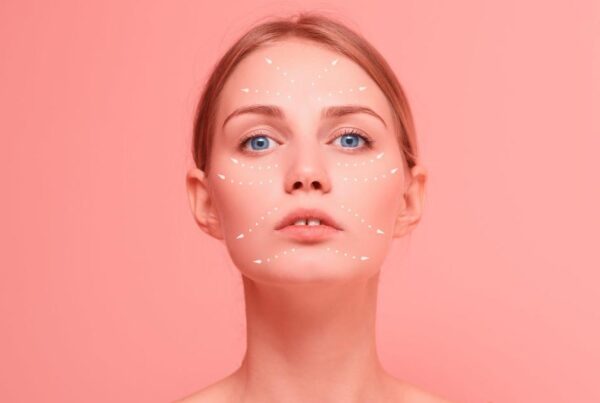
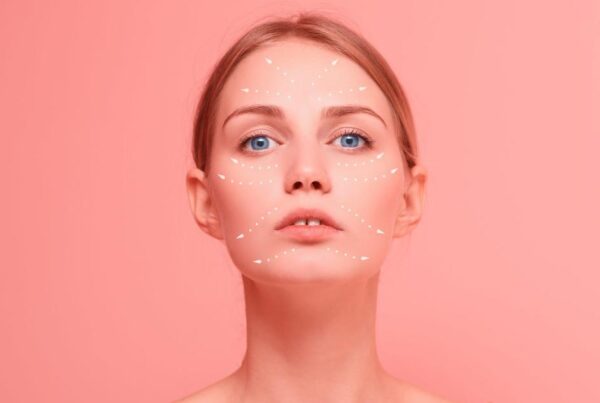
Sculptra is most commonly used in the midface (cheeks), temples, lateral face, jawline, and chin for broad volumization and collagen restoration. It can also be used in the hands and body for skin quality improvement. It is not used in the lips, tear troughs, or any area with thin, delicate, or highly mobile skin where nodule risk is elevated. Each Sculptra injection session targets multiple zones of the face in a coordinated plan designed to restore facial balance and proportionality. Your Blue Monarch provider will map the optimal injection sites based on your individual facial anatomy during your San Mateo consultation.
Does Sculptra hurt?
Sculptra injections involve some discomfort, primarily at the injection sites, which may be more numerous than a standard filler session because multiple zones of the face are treated. Topical numbing and the addition of lidocaine to the Sculptra reconstitution solution significantly improve comfort. Most clients find the experience comparable to a standard filler appointment. Swelling and mild bruising after treatment are common and resolve within one to two weeks. The post-treatment massage protocol — massaging the treated area for several minutes multiple times daily for five days — is an important aftercare step that prevents nodule formation and supports even product distribution.