Scarring
Why scars form and how we improve their appearance
Scarring occurs when the skin heals after injury or inflammation. While scars are a natural part of the healing process, uneven collagen repair can leave behind texture changes, depressions, or discoloration that persist long after the skin appears healed.
The Different Types of Scarring
Atrophic Scars
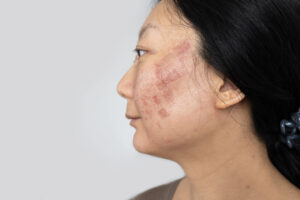
These depressed scars, often caused by acne, appear as rolling, boxcar, or ice-pick scars due to collagen loss beneath the surface.
Hypertrophic Scars
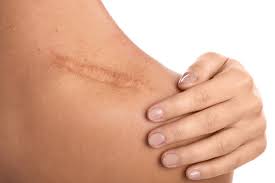
Raised scars that form when excess collagen develops during healing. These scars remain within the injury site.
Post-Inflammatory Marks
Darkened or discolored areas left behind after inflammation or acne, often mistaken for scarring but requiring a different treatment approach.
What Causes Scarring?
Scarring may be influenced by:
- Inflammatory acne
- Picking or squeezing blemishes
- Delayed or improper healing
- Genetic healing response
- Aggressive or inappropriate treatments
How to Help Prevent Scarring
Scar prevention begins with early and thoughtful care:
- Treat breakouts promptly
- Avoid picking or irritating the skin
- Reduce inflammation early
- Support healing with professional guidance
- Maintain a strong skin barrier
How We Treat Scarring at Blu Monarch
Scar treatment focuses on collagen remodeling and skin regeneration. Depending on scar type and depth, treatments may include microneedling, chemical peels, advanced facials, and targeted homecare to gradually smooth texture and improve overall skin quality.
Scarring FAQs
What scars are and how we improve them
Scars can feel permanent, but many can be significantly improved with the right approach and patience.
Why do scars form?
Scars develop when the skin heals unevenly after injury or inflammation. Acne, trauma, surgery, or picking disrupt collagen formation, leaving behind texture changes or indentations.
Are acne scars permanent?
Acne scars don’t fade on their own, but they can be greatly improved. Because scars form beneath the surface, professional treatments are needed to stimulate collagen remodeling.
What’s the difference between scars and dark marks?
Dark marks (post-inflammatory hyperpigmentation) are pigment-related and fade over time. Scars involve changes in skin texture and depth and require different treatments.
Does picking acne make scarring worse?
Yes. Picking or squeezing increases inflammation and disrupts healing, significantly increasing the risk of scarring.
How can I prevent acne scars?
- Treat acne early and consistently
- Avoid picking or squeezing
- Reduce inflammation quickly
- Support healing with professional care
What treatments help improve scars?
Microneedling, chemical peels, advanced facials, and medical-grade homecare are commonly used to improve texture and stimulate collagen over time.
How long does scar improvement take?
Scar revision is gradual. Most clients see improvement over several months as collagen rebuilds and the skin strengthens.
✨ The Bottom Line
Scars tell a story, but they don’t have to define your skin. With consistent care and the right treatments, smoother texture and improved confidence are achievable.